Football matches and smaller ball challenges
Start by deciding whether you want a match involving player positions across the pitch or a different football-themed activity. That choice matters more than the visual similarity of the thumbnails. A title that refers to flicking or tapping may invite a different kind of interaction, but its own instructions provide the details. The collection helps you discover options; it does not combine them into a single tournament or transfer a result from one game to another.
The reference point: Soccer Skills Euro Cup
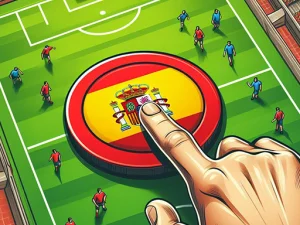
The main Soccer Skills game uses a compact pointer system. Press or click, drag to direct the player and release to shoot the ball. Learning the relationship between direction and release is an important early objective. Use open space to understand movement, then bring that control into a busier part of the pitch. Avoid assuming that a keyboard action from another football title will work here just because the games depict the same sport.
Its match setting makes positioning relevant. You need to consider the route the ball will take, the opponents occupying that route and the space available after the next movement. An attack through a crowded center may benefit from moving toward a less occupied area. A shot becomes more useful when the approach gives it a clearer angle. These are decisions to evaluate during play, not promises that one fixed route will beat every opponent.
Compare activities by what you control
When browsing the other football cards, look for the object of control first. Are you directing a player, aiming a ball or solving another kind of football-themed challenge? Then check how an attempt ends and what the displayed score measures. This gives you a practical basis for choosing a short session. It also prevents you from expecting every game here to have the same team size, tournament format or match length as Soccer Skills Euro Cup.
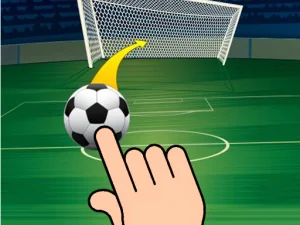
Tap Goal offers a concrete alternative to the full match. Its mouse-based challenges revolve around timing taps to dribble and score, so the immediate task is executing a sequence of ball actions rather than reading the spacing of an eleven-player side. Choose Soccer Skills when you want the wider match setting; choose Tap Goal when timed dribbling and finishing challenges sound more appealing. Football Cup Finger Soccer is another distinct card to inspect through its own instructions rather than assuming either control scheme applies.
Set a football practice objective
If you select Soccer Skills Euro Cup, choose one skill to observe during the match. For ball movement, watch whether the intended lane is actually open. For shooting, compare releases from a similar angle rather than forcing attempts from everywhere. For defending, notice where an opposing attack is heading before chasing the nearest player. A focused objective makes a session useful even when the final score is not the result you wanted.
The Soccer Skills Euro Cup match guide explains these choices in more detail, including pointer control, width, passing lanes and recovery after losing the ball. It applies to the named game, rather than claiming to supply a universal strategy for every football card on this page. That distinction is helpful when you return to the collection to try a different activity.
Choose a comfortable place to play
Use a permitted device and connection; “unblocked” does not override school or workplace access rules. Allow the chosen game to load and check its controls before beginning a serious attempt. With pointer-based football, a comfortable play area helps you judge direction and avoid unintended releases. The best starting choice is the game whose objective interests you and whose input you can use deliberately, not simply the first thumbnail that happens to resemble a familiar football title.