Spaceship games make an empty-looking view into a problem about safe space. In a fast corridor you need room to move before the next object arrives. In a fight you need an approach that doesn't leave you trapped after firing. A two-dimensional shooter asks you to follow the movement of several objects without losing where the ship is. Choose which part of piloting you want to practise.
Last Updated:
Read the available space before the corridor narrows
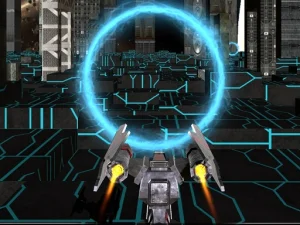
XRacer 2 asks you to stay aware of obstacles while moving quickly. Look beyond the object you're currently passing and find the nearest stretch that offers more than one useful direction. Moving there early can make the next situation much easier to read. If you keep drifting too close to one side, try looking at what that side offers for the following second of play. A gap can be safe right now and still lead you somewhere with little room for the next correction.
Use the first part of a run to learn how much of a movement the controls produce. A tiny change made early may leave more room than a large one made close to a barrier. If you fail at a familiar point, see if you arrived there in the position you wanted. Try choosing a different approach while the scene is still open. The contrast can clarify whether a difficult gap genuinely needed a faster reaction or whether part of the trouble came from where the ship entered it.
Keep the exit in view while choosing a fight
Spaceship Fight brings active threats into the same problem of positioning. Observe the direction a threat is coming from and where it will be relative to your craft when you reach it. If you're lining up an attack, check where you can move once the attack begins. A position that lets you aim directly can be less useful if all nearby movement would keep you in the same danger. Avoid committing your attention to the target until you can still see at least one clear way to reposition.
Learn the scene by trying a small approach. Decide what you want to see happen before moving there. Afterward, consider whether the enemy behaved differently from your expectation or whether you simply took longer to reach the planned position. The details matter because aiming and moving are related without being the same action. Better knowledge of where you're headed can give you a better shot with the controls you already know.
Follow several pieces of motion in a 2D field
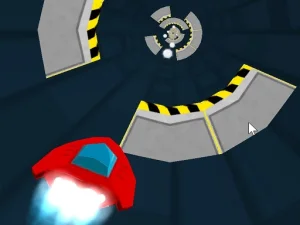
Battle Universe 2D puts its spacecraft in a two-dimensional view. That lets you look at the direction of movement across the play area while keeping track of your own position. Avoid following one moving object until everything else reaches you. Check the route near your craft, look ahead to the next threat, and then bring your attention back to where you could move. When there are several threats, the one with a path toward you matters more than the most conspicuous one on the screen.
If you are learning the game on a small display, start by recognizing the visual difference between the object you control and the effects around it. Look for an idle moment and observe a single input before the fight becomes busy. Having a reliable reference for what the ship itself is doing helps when the rest of the scene moves quickly. If the focus or movement seems unclear when the page loads, use the game's active controls rather than assuming the keys from another shooter will apply.
Make a useful test flight
Try the corridor for a short navigation experiment and the combat game when you want to judge how a position affects an encounter. Once you find a situation you can identify, repeat it while changing the way you arrive. A cleaner pass can be as simple as noticing the correct direction a little sooner. That's a more practical target than trying to take on every obstacle or threat before the craft starts to feel familiar.