Speed games can feel fast because the scenery moves quickly, because your window for a decision is short, or because the objective presses you to answer sooner. A monster truck clearing a ramp, a runner dodging a trap and a math player reading a question all feel that pressure differently. Match the type of speed to the skill you'd like to practise.
Last Updated:
Manage a fast machine over uneven ground
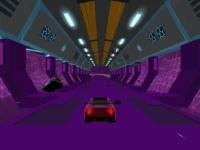
Speed Demons Race puts monster trucks on courses with hills and metal ramps. The useful pace is the one that sets up the next surface, especially if you lose contact with the ground in the middle. Look for where the route next gives your wheels somewhere to settle. Start a jump soon enough that you can see how the truck is angled before it returns to the surface. If you are repeatedly getting caught on the same hill, observe the climb before deciding to add more speed at the bottom.
That gives you a way to compare runs. Pick one hill and remember how fast the screen was moving on the approach. In a new attempt, keep the truck and route the same while changing the point where you start the approach. Record in your head whether the problem was reaching the top or keeping the truck under control afterward. A run that gets through the obstacle and leaves a sensible angle for what comes next is worth more practice than an unusually long leap that strands you on the wrong side.
Read a quick obstacle course before trying to outrun it
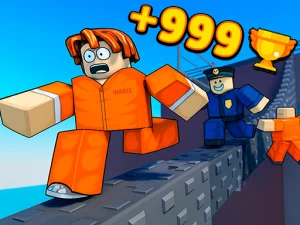
In Obby Prison Escape Speed, study the paths between obstacles rather than reacting only when a trap takes up most of the view. Look for a place to stand where the next hazard is visible without being close enough to interrupt your plan. Then choose either to wait for a clearer moment or to cross immediately when the gap is open. The pause can cost less time than going back through an earlier section after guessing.
The lesson is different when the hazard stays still. You may need to align with the useful part of a platform, and speed can make it difficult to see that line once you're already rushing. Aim while you still have room on your current platform. On a retry, keep a familiar approach until you can identify the exact thing that makes you slow down. One extra look at that point often pays off later in the course.
Let the question set the pace
Speed Math asks you to think quickly about numbers rather than moving a vehicle or character. Start by reading what kind of operation the current question uses. A fast answer only helps when you solve the question that is actually there. If you start missing after several successful prompts, check whether you're skipping the operation sign or reading the new figures as an extension of the previous problem. Get back to a simple routine: look at the whole expression, make your calculation and use the game's controls to give the answer you intended.
If you want to improve an early attempt, compare two short sessions by the kind of mistake you made. A slow correct result isn't the same problem as an instant answer selected by accident. Decide which one you are trying to fix. You can take extra time to understand the display before trying to be faster. That work will matter more on a small screen if your hand covers some of the available choices.
Choose a pace you can repeat
Start with a game whose feedback you can read instantly: a solid landing, a trap you've passed with room to spare, or a correct response. Then see whether you can achieve it a second time before looking for a faster result. Slightly more speed is useful only if it leaves you able to keep making decisions. The best pick from this tag is the one where you can see the difference between being hurried and getting faster.