Superhero Games can give a character an unusual ability, a rescue goal or a theme for an activity such as making music. The character design may be what brings you to the card. The objective tells you what you will actually spend time doing. Look at the opening screen for the action that takes you from looking at the character to using the game's tools.
Last Updated:
Arrange a superhero-themed band
Sprunki SuperHero takes the theme into a music-making activity. Start with one visible character or sound and listen to what the game adds when you place it. Let the sound play far enough to identify the part you recognize. Then choose one other element to put beside it. Make the second choice when you know whether you want that sound to give the arrangement a clearer rhythm or to add a different texture.
If a mix becomes crowded, listen to a smaller arrangement again. Remove or change one element using the current controls and see what becomes easier to hear. You may care more about a repeated pulse than a louder sound you added later. Changing one part at a time gives you something to compare. A short game visit can end with one combination you want to hear back. If you have longer, keep a familiar sound and look for a new arrangement around it.
See where a clone lets you continue
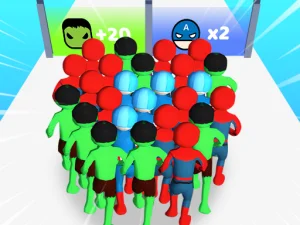
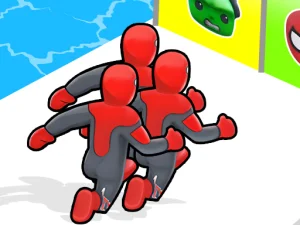
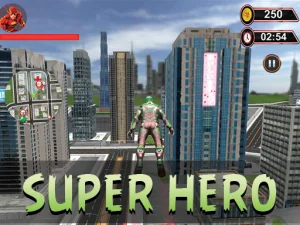
Super Cloner 3D gives you a character with a cloning ability to use around obstacles and during its arcade missions. Read the level objective, then look for the place where the current move is going to change the route. In an early scene, find a position where you can see what happens after trying the ability. This makes it easier to understand how the game marks the resulting character or action before a trap comes into view.
When a stage does not go as expected, identify the exact point where the plan changed. You may have used a useful ability in a part of the scene that gave you nowhere to go next. Check the exits and visible obstacles before trying the same effect from another position. A strong first goal is to get through one part of the mission with enough awareness of the scene to choose what happens after it.
Inspect the nature of a power in a puzzle
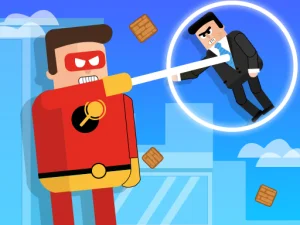
Some cards in the collection are structured around activating a power in a scene. The useful first question is what the current game lets you affect. It might be a character, an obstruction or a path. Make one simple move while the result is easy to watch. Then look again at what the game wants you to reach. An ability can be entertaining by itself and still need a particular place or order to solve the puzzle.
When you see two different opportunities, imagine what each one leaves available. You can decide by the question it will answer. One move might show whether an opening is accessible. Another could reveal what an object does when moved. Look for a visible effect that gives you information for the next attempt. That works especially well on a brief visit, when you want to see how one level's setup comes together.
Browse by the behavior of the game
Choose the band when you want the superhero designs but would rather work with sound. Open Super Cloner 3D when you want an arcade path built around an ability. Read the card for any other title before assuming it has one kind of superhero objective. Some games appearing here use entirely different characters or movement systems. Once a game opens, pick a sound combination, a solved route or another small result you can finish. That gives the theme a useful place to start.