Tetris Games includes falling-block titles and some related placement puzzles. In a falling-block game, the move happens while the piece is on its way down. In a placement puzzle, you usually have a different amount of time to inspect the board. Choose a card according to which kind of decision you want. The opening controls will show whether you can rotate, move or place the piece you see.
Last Updated:
Read the top of the stack before a piece falls
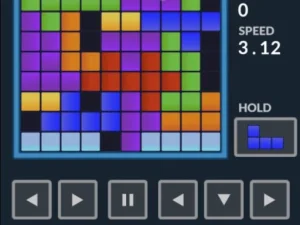
Tetris Lite gives you the familiar activity of arranging falling shapes into lines. Look at the top of the board and identify a surface that can host several different shapes. Use the first few pieces to build a simple layout you can read quickly. A piece that can fit into multiple spaces gives you room to choose. Try a place that leaves more than one useful area afterward.
When a stack grows taller on one side, see which open channel you would need to reach in order to lower it. If the current piece fits, use enough of its fall to confirm its orientation before placing it. If it cannot reach the gap, choose another spot with the next move in mind. It is easier to work on a high side when you have another area available for the shapes that will not help it. Use the controls shown on the device you are playing on.
Compare a possible move with the game's hint
Tetris Hint brings another block-stacking format to the collection. Inspect what kind of hint, guide or current board prompt the player offers. Before acting on it, look at what you expected the piece to do. Then see how the indicated place or orientation affects the area around it. A hint can help you recognize a placement you overlooked. It is also a chance to see why that placement makes sense in the current layout.
When the game offers an opportunity to clear a line, check which part of the board will still be awkward after it clears. A move can create room in one region while keeping another gap difficult to reach. On a second run, try to recognize where the first narrow space developed. Give earlier pieces a place that keeps the next decision more visible. A short visit can be about seeing the board stay readable past the point where it became crowded before.
Use a placement game when you want more time to inspect
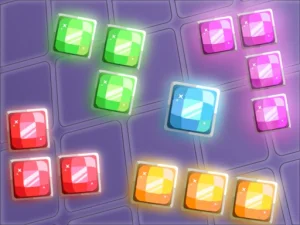
Block Craze appears in the same tag and uses colored shapes and line clears. Follow the current rules for how to move or place the pieces. Look at the entire shape of the available spaces before committing to one. If the game waits for a decision, use the time to compare what two possible placements will leave behind. The most useful move can be the one that creates space elsewhere instead of filling the first obvious opening.
The grid also contains games whose use of blocks differs from traditional falling pieces. If you want a classic falling format, confirm that the game actually advances pieces without waiting for your selection. If you prefer a different kind of board, look for a card that gives you time to consider placements or shows a separate level objective. The title gives you a place to start, and the first round confirms what you are playing.
Decide whether you want rhythm or inspection
Open a falling-block game when you want to read a shape while it descends. Try a slower placement board when you want time to compare its effect on the available spaces. For a brief session, work toward one clear or one more stable part of the stack. For a longer one, pick a familiar opening and see which choices help you keep the board under control once the pace or layout changes.