Pick an activity before choosing an input
Tung Tung Sahur is the slingshot-style option: launch the character and rescue kidnapped Brainrot characters from zombies. Its supplier describes targets, traps and mouse-click or tap interaction. The first useful question is where the current level wants you to send the character, followed by what the visible approach allows.
Spend an initial attempt learning the response instead of assuming a gesture from another release. Observe where the character travels and which part of that path creates difficulty. The verified instructions do not provide a universal aiming angle. A practical adjustment comes from the layout and feedback in front of you, not a number copied from an unrelated video.
Switch to visual comparison deliberately
In Italian Brainrot Tung Tung Sahur Anomaly, the stated target is five differences in illustrations, with mouse interaction. Here, the useful work happens before selecting a location: compare the relevant details and decide what actually differs. Launch timing has no role in explaining that task.
A tidy search order makes your attention more reliable. Start with one part of the illustration and inspect adjacent regions instead of repeatedly jumping back to the largest character. When you return to an area, look for a specific overlooked outline or object. That is more informative than clicking several uncertain positions and hoping one registers.
Use names as a shortlist, then check the page
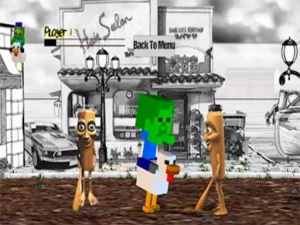
The current cards include Tung Sahur And R E P O, Hugli Wugli vs Tung Tung Sahur, Chicken Jockey Tung Tung Sahur Fight and Tung Tung Sahur Reassembled. These are separate titles. Their names are useful for finding a card again, but do not establish identical movement, enemies, level structure or player counts.
Read the destination description when a title interests you. Compare the objective with the kind of session you want: testing a route, examining a scene or something different. If the description gives only a short input reference, use the loaded player's instructions to complete your understanding. Do not fill a missing control with a key that happens to work in a neighbouring game.
Make retries answer a question
For the rescue adventure, identify the uncertain part of an approach before trying again. Did you misunderstand the target, overlook an obstacle or need to learn the input response? Those questions lead to different adjustments. Preserve the part you understood and change the choice that the result calls into question.
For Anomaly, a retry or another inspection should improve your coverage of the picture. Notice which region received little attention. Comparing that region carefully is a meaningful change; searching the same central feature again without a reason is not. Let each game's actual progress display tell you how much remains.
Keep access and progress expectations specific
Unblocked in the collection name is not a guarantee about a particular network. Device restrictions, connection rules and the current embedded player still determine access. Follow the rules of the network you use. Likewise, a shared theme does not promise shared progress, a common save system or the same touch support across every listed title.
Before moving between games, check any pause or continuation information offered by the current interface. Select the next card because its objective appeals to you, then read its controls afresh. That small reset helps you enjoy the variety here without carrying assumptions from one activity into another.