Balance practice or a broader bike session?
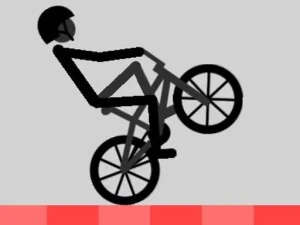
Wheelie Bike 2 suits a player interested in learning a small control response carefully. The visible angle of the bicycle and the direction in which that angle changes matter more than the general idea of riding quickly. A sensible opening goal is understanding why an attempt ends, then making the beginning repeatable. This creates a focused session in which a short ride can still answer a useful question about lifting, settling or recovering the front wheel.
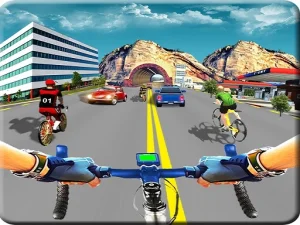
The card list is broader. Bike Racing Adventure appears among the current results and offers racing missions, obstacles and checkpoint-oriented challenges rather than simply asking you to maintain a wheelie. Other displayed titles include Ultimate Bike Stunt Racing, Bike Stunt Racing Legend and City Bike Racing Champion. These are separate destinations. Their names help you find another riding theme, but their own descriptions and opening instructions must establish the actual objective and input. Do not treat them as extra levels of Wheelie Bike 2.
Read the bicycle before correcting it
For the named balancing game, notice whether the front wheel is rising or falling, not just whether it looks high or low. The same position can call for different attention depending on the movement already underway. A correction made while the bicycle is still responding to the previous input may create a larger change than intended. Give yourself enough attention to see the result instead of issuing several hurried interventions and guessing which one mattered.
Begin with the game's displayed control prompt. There is no reason to assume that device tilt, multiple trick buttons or a keyboard layout from another riding title applies here. Test the indicated action and watch the bike. Once you can connect one action with a visible response, use that knowledge to create a modest opening. The first useful success is an attempt you understand well enough to repeat, even before you extend the distance.
Compare rides by the experience you want
Choose the direct game for concentrated rear-wheel balance. Choose another bike card when you want to explore a different riding activity and are willing to learn its rules. That distinction saves time: you will not mistake a new set of challenges for a change in the sequel's controls. It also makes comparison more meaningful. Ask whether you enjoyed maintaining a position, navigating a route or working toward a mission, instead of deciding that every bicycle game should reward the same behaviour.
A collection can change as the site's catalogue changes. The presence of a particular title today is a browsing observation, not a promise about a fixed sequence of recommendations. Likewise, completing a challenge on one destination does not establish shared progress with another. Keep useful notes about the game you actually played, including its title and the control you learned. That small habit makes a return visit much easier when several similar bike names appear together.
Make repeated attempts informative
Use a few rides to study one question. You could compare a gentler opening with a stronger one, or focus on recognizing the first downward movement sooner. Keep the rest of the approach similar enough that you can interpret the difference. If a ride ends badly, distinguish a dropping front wheel from an excessive backward tip. Those outcomes point toward different moments to inspect. Changing everything at once makes either explanation harder to test.
The Wheelie Bike 2 balance guide develops this practice approach in more detail, including opening cues, recovery and using distance as feedback. Check results after an attempt rather than letting the score distract you during the movement. Finally, remember that unblocked is a search label rather than a guarantee about access. Use a permitted connection, allow the selected game to become ready and verify its own instructions before beginning a new ride.