Understand the current entry and submission controls
Choose Daily Word on the Wordle page, then use the on-screen letter keys to fill the current row's five spaces. The keyboard's back arrow removes a letter when you need to correct an entry. The blue TRY button submits an accepted proposal.
An INVALID WORD message means the entry needs to change before proceeding. Separate that input issue from the deduction you intended to test. A proposed arrangement cannot provide useful letter feedback until the current game accepts it as a word.
Read presence and position as different clues
Green indicates a correct letter in the correct place. Yellow or amber indicates a letter that belongs elsewhere in the answer, while grey records an unsuccessful letter choice. Look at the completed row and the coloured keyboard together before preparing another guess.
A letter's presence does not by itself establish its position. If the feedback says it belongs elsewhere, consider a different space instead of repeating the same unsuccessful arrangement. Use the visible clues from this build rather than assuming every word game's colors or rules match it. When preparing a guess, notice which letters you kept because of evidence and which ones are new tests. This makes the intended purpose of the proposal clearer before submission.
Give the next word an information goal
Begin with a familiar five-letter word and study the response. For the next proposal, ask what uncertainty matters most. You may need to investigate an unknown letter or find a plausible position for one already suggested by the board.
Before pressing TRY, compare the proposal with earlier rows. Does it respect positions you have confirmed? Does it test something that is still unresolved? This review helps conserve the limited rows for attempts that can teach you something, instead of entering unrelated guesses because they come to mind quickly.
Keep the board readable as evidence accumulates
With more rows on screen, it becomes easier to focus only on the most recent result and forget an older clue. Revisit the whole set before committing another word. A useful proposal should make sense in relation to all the evidence the game has supplied.
If you become stuck, state the parts you know separately from the parts you are still testing. Confirmed positions, misplaced letters and uncertain spaces are different kinds of information. Organising them mentally is more productive than repeatedly considering a word that already conflicts with a clear clue.
Choose another word activity deliberately
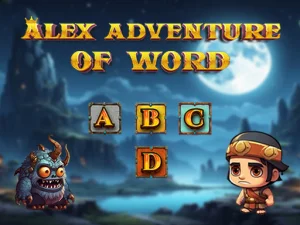
The current Super Wordle Game menu also presents Scrambled, but the Daily Word rules described here should not be treated as proof of every detail of that other mode. Read its own instructions before assuming an identical board, feedback sequence or attempt limit.
Other entries under Word may focus on different relationships between letters and meaning. Open the destination that suits your preferred activity, then check the actual prompt and controls. A word-and-picture exercise is different from the hidden-word deduction described above.
For a focused Daily Word session, aim to make every accepted proposal answer a question about the unknown word. Let the current game determine whether the answer is complete, and inspect any continuation information it provides before leaving. The useful skill is combining letter evidence consistently, not merely finding six unrelated five-letter words or assuming progress carries between separate titles.