Identify the main action and the finish condition
Before chasing a score or moving quickly, work out what the game asks you to accomplish. A route can require finishing ahead of rivals, while another scenario asks you to deal with characters in a shared space. Learn the basic input and observe one complete response. That gives further actions a clear reference.
Use the opening to distinguish movement from an additional command. A direction key, a button chosen with the pointer and a boost can play separate roles. Pressing them together before you recognise their effects can make a simple encounter more confusing. Add one unfamiliar action after the ordinary movement begins to make sense.
Read a moving course in AquaPark io
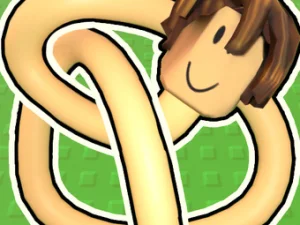
AquaPark io sends a rider down a winding slide with other racers. The horizontal arrows guide the character, and the objective is to reach the pool first. Watch bends and obstacles early enough to choose a line. Other racers can affect your position through contact, so pay attention to the slide edge near a passing attempt.
The hosted version also lets you attempt a shortcut away from the slide. Locate the section you intend to land on before deciding to leave the current route. A shorter path only helps if the landing works. On another attempt, compare a more controlled racing line with the risky shortcut rather than assuming the same choice is best from every position.
Watch movement and timing in a spaceship
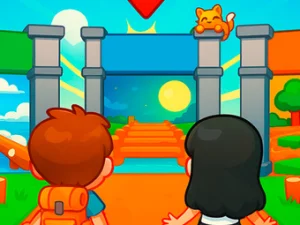
Impostor uses WASD or arrows for movement and bottom-right buttons for actions. The spaceship setting provides hiding corners, ventilation shafts and sabotage opportunities. Your approach to a crew member depends on position and timing, making this a different kind of repeatable challenge from following a downhill course.
Observe where the crew is moving before choosing an action. Reaching a position is not the same as activating the relevant button. Read what is currently available and look again after another character changes direction. Do not expect a meeting system or another feature simply because a separate spaceship game uses one.
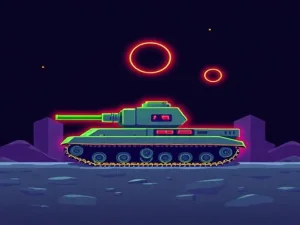
Buggy Blast gives another associated arcade activity with twelve World Circuit stages, four-lap races and three rivals. First place unlocks the next stage. Its steering, braking and rechargeable nitro need their own check. The comparison helps you choose whether you want a racing line, a slide shortcut or a timed approach to another character.
Give the next attempt one adjustment
A quick restart is useful when you know what to change. Identify one cue, turn or approach that can be tested differently. If you alter every action at once, it becomes harder to tell whether the result improved for a reason you can repeat. Keep a successful opening consistent while working on the uncertain part.
Read the result screen or current objective message before beginning again. A character continuing to move, a target still visible or a changed scene can mean different things in different games. Let the selected title explain whether the attempt has ended.
Choose another card when you want a different main interaction, then learn its control scheme afresh. The arcade connection is a way to browse approachable actions, while the individual game supplies the specific objective, pace and progression. Check its pause and saving information before assuming the next visit will restore the same state.