Separate appearance from interaction
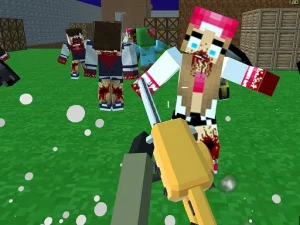
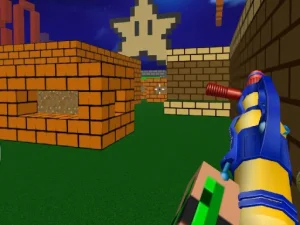
A block-shaped object might be scenery, a barrier, a resource or something the player can place. Read a visible prompt or observe a deliberate action before assigning it a role. Similar textures across two games do not establish shared building tools or destruction rules. Learn how the current environment responds rather than assuming that every surface can be changed.
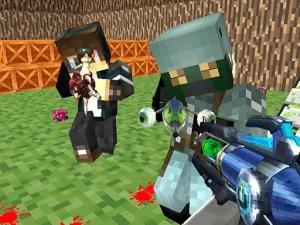
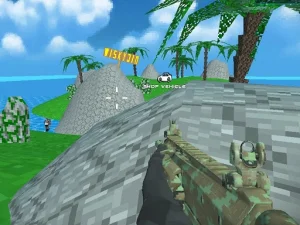
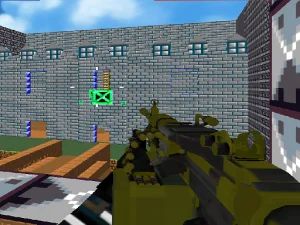
Inspect the camera as well. A first-person arena asks you to read corners in relation to the aiming direction, while another game may follow a character from outside. A short movement can help you understand how much space is available and what the view reveals after changing position.
Connect gathering and fighting in Blocky Universe
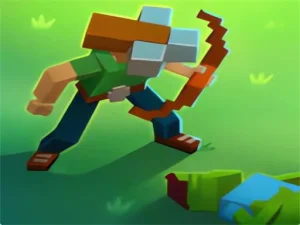
Blocky Universe pairs an axe with a bow in an adventure involving monsters, resources and improvements. Chopping wood helps archery development, while coins help improve woodcutting. The larger goal involves bosses and repairing a portal to return home. Gathering and combat therefore contribute to the same progression in different ways.
Use the game's click-based interface and the prompts for the activity in front of you. If an encounter becomes difficult, consider whether one side of the gathering-and-fighting loop needs attention. Inspect the actual improvement choices before assuming a particular purchase is the required solution. A resource has a purpose beyond its displayed quantity.
Learn a block-style arena on its own terms
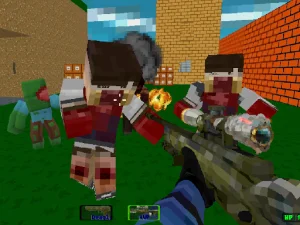
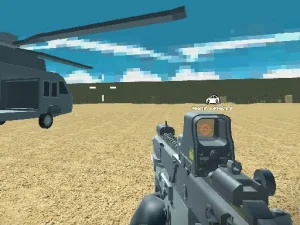
Oxy Arena separates public play, Rooms & Friends, Practice and a solo Backrooms: Zombies activity. Its practice menu offers Deathmatch, Team Deathmatch and Target Range with bot difficulty choices. Learn movement and aiming in the format that fits your immediate goal before treating every menu button as another way to start the same match.
Use corners and open approaches to organise the next movement. Identify where teammates are heading and which space you intend to watch. The arena's block appearance does not remove the need to inspect sight lines or understand the current round. A route that reaches an opponent may still leave an awkward continuation.
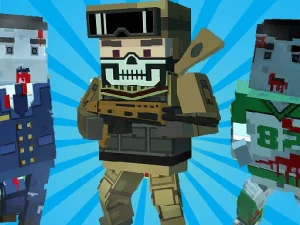
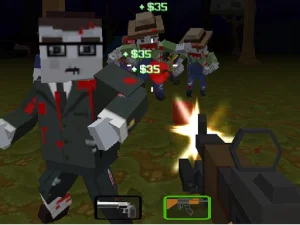
Other associated block-style shooters have their own instructions and match arrangements. Compare the menu choices rather than treating one title's map, bot difficulty or weapon selection as a description of every block-style shooter. A recognizable look is a browsing connection, not a shared settings screen.
Pick the part of the experience you want to develop
If resource progression interests you, choose a goal connected to the next improvement and inspect the actions that earn it. If arena movement interests you, begin with a manageable route and one equipment action. Those targets call for different practice even when the games sit beside one another in this collection.
After an unsuccessful attempt, identify whether the difficulty involved an assumption about the environment, an unfamiliar command or the chosen route. Correcting the assumption first can make the following action easier to understand. Repeating an interaction on scenery will not teach the same lesson as learning a resource prompt.
Read each new game's actual building, combat or exploration rules. The blocky tag helps locate a visual style, while the individual description and opening menu help you choose the objective, viewpoint and control format that will make the session worthwhile.
When a wall obscures the next area, change position deliberately and inspect the new view. Learning what a corner reveals gives movement a purpose even before another combat or resource action becomes available.