Begin with a clear colour-matching rule
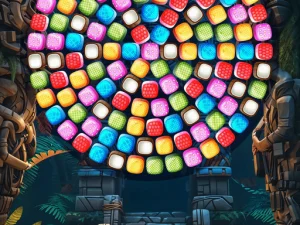
Bubble Shooter Classic Game presents an endless board where groups of three or more matching bubbles can be removed. Use the mouse or touch pad to aim. Look at the colour ready to fire before choosing a group, then compare the possible placements that connect it with the board.
A successful match removes the group, but a shot that fails to connect can also change the space available. Notice what your intended placement would leave behind. Thinking about the resulting board is more helpful than selecting the first patch with a familiar colour.
Start by recognising which groups are directly reachable. When a target is hidden behind other colours, a shot toward its general area may not do what you intend. Inspect the visible approach and decide which move would make the board easier to work with.
Read groups and gaps together
Colour recognition supplies one part of the decision. The surrounding spaces determine whether a placement is useful. A small matching group near an open area may leave more practical options than a larger-looking patch with an awkward approach.
Before firing, choose a specific purpose: clear a reachable group, improve access or place a colour where it can be used on a later shot. You may not have an immediate match every time. In that case, an organised placement gives you a better problem to solve next than putting the bubble somewhere without considering its neighbours.
After the shot, stop briefly to inspect the change. The most useful next group may differ from the one you were watching beforehand. Updating your plan from the current board keeps you from following a sequence that depended on a result that never happened.
Keep aiming decisions easy to evaluate
Choose a pointer setup in which you can see both the bubble you are firing and its intended destination. Move deliberately when lining up a shot. If the result lands away from the planned position, compare the chosen direction with the available opening before making another hurried attempt.
Try changing one part of the aim rather than shifting between very different targets after every miss. A familiar approach makes it easier to notice whether a small adjustment improved placement. The point is to learn from what appeared on the board, without assigning the game an undocumented aiming aid or special shot.
Use the selected title's own instructions for any additional actions. The bubble theme alone does not establish a shared supply of power-ups, a universal time limit or identical controls across the collection. The three-or-more matching rule described here belongs to the verified example.
A calm plan for another attempt
Review the first move that made the board difficult to read. It may have blocked an opening, scattered one colour across awkward positions or missed a reachable group. On the next attempt, focus on avoiding that particular situation. A clearer board is a practical goal even before you compare scores.
Browse another card when you want a different arrangement or pace, and read its matching requirement before starting. Colour-based play can be relaxing, but purposeful observation still makes a difference. Give each shot a reason connected to the board in front of you, then let the result guide the next choice rather than trying to commit to a long sequence blindly.