Find the exact title first
Flip Master appears in the current card list, alongside Wacky Flip, Flip Lines, Mini Flips Plus, Devil Flip, Roblox Flip and other distinct entries. Their shared word does not establish a common control system. Some names suggest different kinds of activity, but the destination page and opening instructions are the reliable way to find out what each one asks. Treat a thumbnail as an invitation to inspect the game, not evidence that it will behave like the title you played previously.
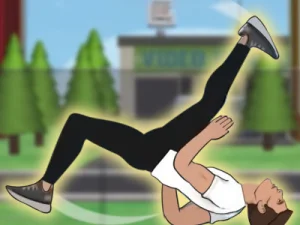
For the named Flip Master entry, the verified supplier description identifies aerial acrobatics, obstacles, skill upgrades and new locations. Its basic published control is a mouse click or a tap. That makes the opening tutorial important: it tells you how this version connects a simple input with the character's movement. Do not assume that a trampoline technique or an upgrade list from another similarly named game belongs to this one.
Choose a landing before attempting a stunt
A useful first habit is looking at the intended arrival area before committing to a jump. Consider what space is available and what obstacle affects the approach. A dramatic rotation is only part of the movement; the character still needs to arrive in a way that satisfies the challenge. Read the current level's instruction and result rather than inventing a scoring rule from the appearance of the stunt.
Divide the attempt into a beginning, a flight and an arrival. If it fails, decide which phase deserves inspection. A poor landing can begin with an unsuitable takeoff position, so focusing only on the final moment may leave the cause untouched. On the next attempt, keep one part familiar while testing another. This produces clearer feedback than changing the approach, the stunt and the intended destination together.
Browse for a purpose instead of a familiar word
The mixed list supports discovery. You might want another game with a flip-related theme after spending time on acrobatics, but a new title deserves a fresh reading of its controls. The presence of Flip Lines or Mini Flips Plus does not establish that they offer the same parkour movement, and a title containing a recognizable brand-like word does not establish shared progress. Check the game itself before carrying expectations across.
This distinction also helps when you return after a break. Remember the complete destination title rather than only the collection label. A browsing page can change its recommendations, while your reason for returning may be a particular movement challenge. Use the direct Flip Master link when that identity matters. If you intentionally select another card, let its own objective define success rather than judging it by how closely it resembles the previous game.
Build confidence with readable attempts
Begin with a modest movement that lets you observe the response to your input. Make sure the playing area has focus and no menu is intercepting the action. Then watch the character long enough to connect the click or tap with the resulting motion. If an input does not register, resolve that before adjusting your timing. A missed action and a badly chosen moment can produce similar outcomes but need different fixes.
The Flip Master jump and landing guide offers a longer method for analysing arrivals, obstacles and skill changes. Use any upgrade information shown by the current game instead of assuming a universal best purchase. When a new location appears, survey it again: a familiar movement may need a different approach in a different space. Finally, the unblocked wording describes a search interest, not a guarantee of availability on every network. Play on an allowed connection and select a destination that is ready to respond.