Use a match to open part of the garden board
Garden Tales is a matching puzzle with garden pieces. Look for the step the current level wants you to complete, then inspect the part of the board connected to that goal. Check two possible matches before choosing. A match that affects the needed item or clears space near it can help more than an attractive group somewhere else. Watch how the pieces settle afterwards. A new arrangement may make the next needed match easier to see.
If part of the board is crowded, look around its boundary for pieces that can move. Change a nearby part of the arrangement and see whether that gives you another way to reach the blocked area. Try to remember which action made the new space useful. On a fresh board, compare starting in that region with starting near a more visible match. The object is to use the garden theme as a readable board and keep the level requirement in sight.
Leave time to collect a vegetable when it moves
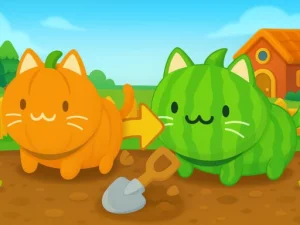
Garden Rush: Vegetables Escape uses planting, watering and catching vegetables that try to escape. Follow the planting and watering prompts as they appear. While the vegetables are growing, look at the parts of the scene you can reach from your current position. Find a viewing area that lets you see when one is ready. When the vegetable begins to move, track its direction before trying to select it. A clear line of sight makes it easier to work out where it will go next.
Try a short run focused on one plant rather than spreading your attention across the whole plot. Notice what the scene shows at each stage, from a seed through to a ready vegetable. If you miss it when it starts to move, check where you were looking just before that moment. On the next attempt, use a visible part of the plot to keep its location in mind. Learning the lead-up to the collection can make the final catch feel more manageable.
Match your attention to what changes in the scene
A puzzle board preserves the current arrangement until you make a move. Take advantage of that pause by looking further ahead than the first match. When the pieces settle, stop long enough to study the new pattern. A growing plot asks you to notice when a plant changes or a vegetable starts moving. Plan a place to look before you need to catch it. The important question is when the game gives you the next piece of useful information.
As you get comfortable with either style, pick a detail to compare between runs. In the matching game, observe whether beginning next to the target leaves more choices later. In Garden Rush, watch whether a clearer view helps you react to the moment a vegetable is ready. The two activities have different feedback. One shows a new match arrangement and the other shows an object you can catch.
Choose a garden session with a clear goal
Open Garden Tales when you want to work on patterns and the arrangement of pieces. Try Garden Rush if you want to handle growth and collection in a small moving scene. Start with a step you can finish, such as making a match that serves a specific target or bringing one plant through to collection. After that, look at what the game makes available. Let the new board or garden state tell you what will make an interesting next step.