Solitaire games arrange cards into visible working piles and ask you to build foundations. Use the rules shown by the version you open, then look at what each move reveals as well as where the moved card goes. A move that turns over a hidden card can give you a new choice. A move between two already visible stacks can help when it makes another part of the layout reachable. The useful question is what the next turn will let you do.
Last Updated:
Look for a move that exposes new information
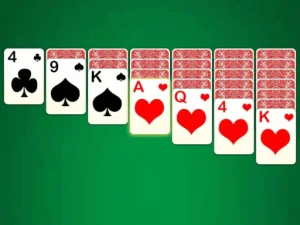
Solitaire King Game uses tableau columns and foundation piles. Read the current mode and the card rules before making a move. Inspect the exposed cards and see whether one sits on top of a column you can uncover. If two moves are available, compare what would be revealed by each. A move that exposes a card you have yet to see can increase your choices, especially if the visible layout already gives you several familiar moves elsewhere.
Some columns have room to receive a sequence only after an earlier card moves. Look at the order of the visible cards before beginning. If the game uses descending order and alternating colours in the working piles, check where a card could go under those rules. Leave a useful option where you can reach it if another move opens the right place later. The visible order gives you a way to reason about that move before drawing more cards.
Check the foundation and the working piles together
Nova Solitaire describes building suit foundations from Ace to King. Look for a low card that can begin or continue a suit. Before sending a card to a foundation, also see whether it is currently helping you organise another part of the layout. In a typical sequence, advancing a suit is a clear goal, and the working piles give you a route toward it. The best timing for a move depends on what else the card could help you uncover.
Try to describe why you are moving one exposed card. It may free a face-down card, make a place open or advance a foundation you can continue. Once you see the result, reconsider the layout. A card revealed by your move can give you several choices you could not plan for before. Work with the new information and keep the condition for a good next move in mind.
Use a short scan when the board feels stuck
Look along the exposed ends of the columns before assuming more drawing is the only option. Check which cards can move, where they could fit and what would open as a result. Inspect the visible foundation tops for a card that would follow by suit. If the game has a stock, think about whether a move on the table could reveal something useful before another draw. Follow the draw and redeal rules of the particular version.
When a possible move changes no visible options, try looking at another column or another suit. You may find a place where a small move changes the layout much more. If you have to draw, watch whether the new card connects to a move you already considered. That helps you recognise a new opportunity quickly. Keep track of the difference between a move that shifts the same few cards and a move that gives you something new to work with.
Practice a simple routine for the next deal
At the start of a deal, find the most clearly exposed moves and note which columns have the most hidden cards. Make one move you can explain and inspect what it reveals. Then look again at the current foundations and open positions. Choose the game whose layout and pace make this routine easy to follow. The goal can be progress on one suit or simply a more readable board. Each useful reveal gives you enough information to plan a small part of the next turn.