Choose the rescue adventure for a launch-based task
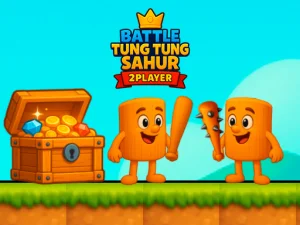
In Tung Tung Sahur, the supplier describes zombies kidnapping the Brainrot crew. You launch the character through levels to rescue them, dealing with targets and traps. Mouse clicks or taps are the published inputs. Read the loaded instructions for the exact action before applying an aiming technique from another slingshot game.
Inspect the intended target and the obstacles along the approach. An initial action should help you understand how this game responds. Observe the resulting path and decide which part needs adjustment, instead of assuming a particular winning angle or control sensitivity before you have evidence.
After an unsuccessful attempt, distinguish a problem with the route from a problem with the input. Perhaps the path approached an obstacle you had not considered, or the response differed from your expectation. Keeping the explanation concrete helps you choose a useful correction on the next available attempt.
Choose Anomaly for careful visual comparison
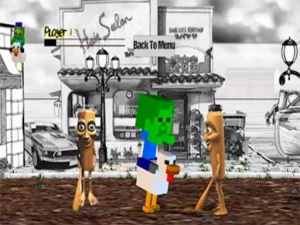
Italian Brainrot Tung Tung Sahur Anomaly uses the mouse to find five differences in each illustration. The familiar character theme supplies the artwork, while the actual challenge is noticing changed details. This is separate from launching a character or searching for an object hidden somewhere in one scene.
Use a consistent inspection order. Compare a recognisable feature, examine the shapes around it and move into an adjoining area. That reduces the chance of repeatedly staring at the largest character while overlooking a quieter part of the picture.
When a detail appears different, locate it precisely before selecting it. If the response does not match your expectation, reconsider the comparison and the click position separately. Follow the current interface for progress; the verified objective does not establish a specific hint allowance or wrong-click penalty.
Match the activity to your attention
A launch-based rescue asks you to act and interpret the result. A difference-search task asks you to sustain an organised visual comparison. Think about which kind of concentration you want to practise, rather than choosing only because the character image is familiar.
For a short session, set a manageable personal aim. Understanding one launch response or completing a methodical inspection can be useful. For a longer visit, compare attempts around the same question so that a changed result has an identifiable cause.
Do not transfer control expectations when switching cards. The rescue game documents click or tap interaction; Anomaly's verified description specifies a mouse. Other titles in the collection need their own checks. A shared label does not establish shared pause, restart or progress behaviour.
Read the access label realistically
“Unblocked” does not prove that a school, workplace or managed connection allows a game. Play where you have permission and follow the rules of the network you are using. The tag is a discovery label, not a method for overriding restrictions.
Browser delivery also does not promise offline use, identical loading times or the same input layout on every device. Check the current page and the loaded game. If an action seems unresponsive, confirm whether a menu, loading state or lack of focus is involved before changing your gameplay approach.
Return with a clearer idea of what to play
The Tung Tung browser-game comparison explains the rescue and illustration-search examples in more detail. It can help you decide between acting on a level and inspecting a picture.
Use that distinction when exploring the rest of the collection. Identify each title's stated objective, learn its input and choose one observable result to understand first. The theme helps you find a page; the actual task tells you how to begin.