Choose a loadout with a purpose
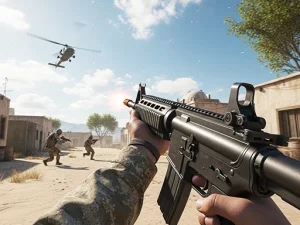
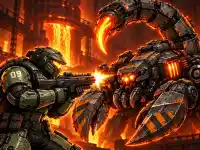
Cold Iron: Last Extraction asks you to select two guns and a special ability before its third-person city encounters. The available abilities include Slow Motion, Rage and Regenerate. That preparation should reflect the activity you intend to play rather than a guess that one setup must be best for every situation.
Its modes change the task substantially. Survival concerns defending a plaza until a helicopter arrives. Sniper Only provides a sniper rifle and silenced pistol for rooftop opponents. Plant Bombs sends you to three charge locations, while Stealth focuses on passing patrols to a final bomb site. Equipment decisions make more sense when you begin with that objective.
Distinguish the parts of an upgrade
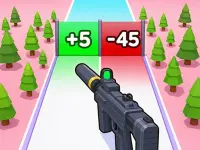
Frontline Strike offers an Armory with assault rifle, pistol and shotgun choices. Damage, magazine capacity and reload speed have separate upgrades. The shotgun initially has an unlock option or becomes available after surviving to wave two. Check the displayed options instead of assuming that a larger weapon name explains the whole progression system.
Think about which problem an upgrade addresses. More room in a magazine concerns how long you can continue before reloading. A reload-speed improvement concerns the interruption between magazines. Those are different considerations from the effect of a successful shot. The interface's information should guide the comparison; do not invent a numerical advantage that the game has not shown.
Handle the current weapon before changing it
Start by aiming at a visible target with a controlled camera movement. Watch whether your position gives you a clear view and whether the threat is near or far. If the view swings unpredictably, practise that movement before attributing every missed shot to the equipment. A weapon change cannot explain an aiming problem you have not yet identified.
Learn the reload and switch commands while the encounter is manageable. Cold Iron uses R to reload and number keys or the mouse wheel to change its selected guns. It also provides a lock-on input and a shoulder-camera change. Frontline Strike has its own weapon-selection commands. Check the game's description rather than transferring an extra action from a similar title.
Keep an exit from the exchange
Before firing the last shots in a magazine, consider where you can reload. A clear firing line is useful, but an exposed position can leave few options when the weapon needs attention. Moving to cover and checking another approach can be more effective than holding the same position and trying to fire through every threat.
Special abilities, grenades and other equipment should serve an observable purpose. Read what is currently selected, identify the situation you want to change and then watch the result. Do not assume an ability makes you invulnerable or that a familiar key activates the same tool in every game. Learn the actual response in the build you are playing.
Compare equipment through useful attempts
Change one choice at a time when testing a loadout. If you alter weapons, ability and route together, it becomes difficult to tell which change helped. Repeat a manageable situation and pay attention to handling, timing and the task's result. This provides a practical comparison without depending on an invented universal weapon ranking.
The weapons tag is a starting point for those different combat systems. Choose the game whose preparation and action interest you, then follow its own progression and control information. The most useful equipment is the equipment you can connect to a clear objective and use deliberately within the encounter in front of you.